 Qiu's Growth Journey
The Traps of Self-Control
 Cooper
1065 words
5 minutes
Cooper
1065 words
5 minutes 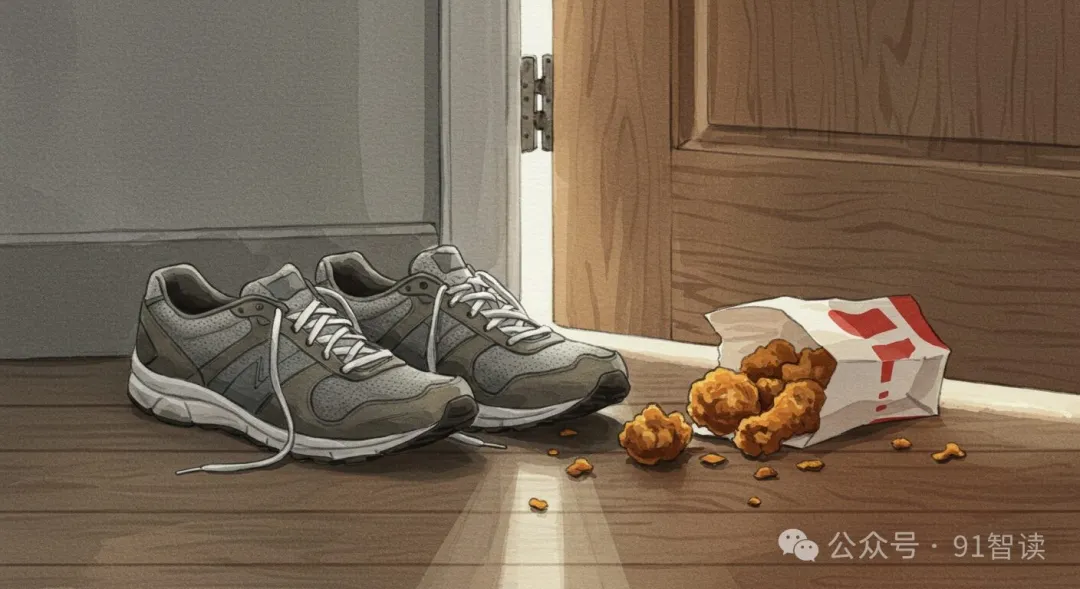
Have you ever liked a friend’s perfect-body running post on social media, closed your food delivery app, only to order fried chicken half an hour later? Do you find yourself caught in this cycle of admiration and self-blame?
We all admire people with strong self-control—those who exercise consistently, control their diet, and execute plans without fail. But when it comes to ourselves, why does it become “plans never keep up with giving up”?
I’ve struggled with this too. Later, I began to reflect: people aren’t that different from each other; the problems I face must have been encountered by others. If I can’t do something, it’s not because I’m “naturally incapable,” but because there are issues with my understanding and process. With this thought, I re-examined the concept of “self-control” and summarized some methods based on my experiences, hoping to provide you with some inspiration.
Trap 1: The More You Say “Don’t,” The More You Want It

When talking about self-control, we often think of “I don’t want to”:
- “I don’t want to eat snacks anymore; they’re not good for my health.”
- “I don’t want to stay in my comfort zone anymore.”
These statements sound motivational, but they’re actually hard to stick to. Why? Because “I don’t want to” goes against human nature. Psychological research shows that when we say “I don’t want to,” the amygdala (emotional center) in our brain is activated, creating resistance and making us more focused on what’s being negated—for instance, the aroma of snacks becomes more tempting.
Slightly better than “I don’t want to” is “I should,” like “I should exercise” or “I should read more.” This is more positive but still not proactive enough. The best approach is to use “I want to” to give yourself positive psychological suggestions:
- “I want to develop a sports hobby, like playing badminton once a week.”
- “I want to expand my comfort zone.” (Compared to “jumping out of your comfort zone,” “expanding” is more positive, and both result in enlarging the boundaries of your comfort zone.)
For example, if I want to develop a sport like badminton, playing once a week, this activity doesn’t require deliberate self-control; instead, it becomes a hobby that brings joy, making it easier to do and stick with.
Trap 2: Suppressing Desires Actually Leads to More Loss of Control
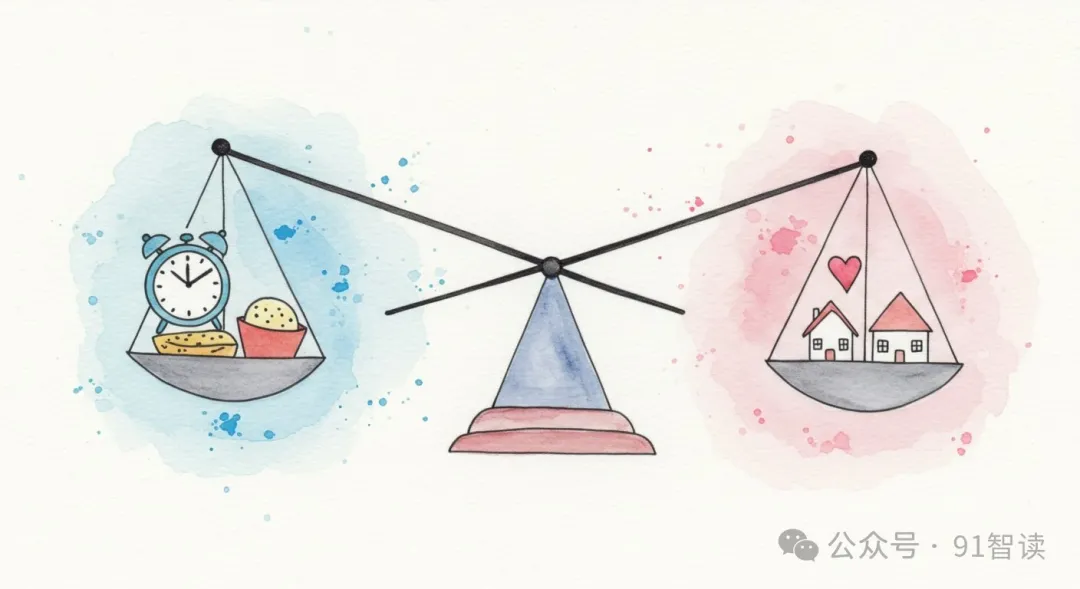
Many people think self-control means “controlling desires,” forcibly suppressing the urge to eat or play through willpower. But this is actually a misconception—self-control isn’t just about suppression; it’s about understanding the true needs deep within your heart.
For example, as someone who loves their family, you might say, “I’m the head of the household; I need to be responsible for my family.” But this statement alone isn’t very effective; you might still end up scrolling on your phone until early morning. Changing perspective: if you realize that a healthy you can better care for your family, this love and sense of responsibility becomes the motivation to take care of your body. You’ll naturally want to adjust your routine and start exercising. This type of self-control aligns with your inner desires.
Neuroscience supports this point: simply suppressing desires consumes energy in the prefrontal cortex, making you more prone to fatigue and giving up. So, rather than fighting desires, transform them into motivation.
Trap 3: “Achieving Everything at Once”
We’ve all fantasized about becoming “self-control superheroes” overnight, saying goodbye to all bad habits. But the reality is that such impatience often leads to complete collapse after one failure, trapping us in a vicious cycle of “I knew I couldn’t do it.”
There’s another scenario: after occasionally sticking to early rising or eating fewer snacks for a few days, you might become complacent, thinking, “I’m doing great; I can reward myself by sleeping until noon on weekends.” The result? Your hard-earned habits are instantly reset to zero.
For instance, I once set a goal of “running for an hour every day,” but after two days, my legs were sore, and I gave up. Later, I discovered that self-control isn’t about passionate determination but about turning behaviors into habits and accumulating them slowly.
The bestselling book Atomic Habits also mentions that true lasting change comes from countless small acts of persistence, not from achieving everything at once.
Lifesaver: Micro Habits

Rather than viewing self-control as a “superpower” to fight desires, it’s better to break it down into a series of small, sustained habits. Behavioral change needs to be gradual, starting small to go further.
Try these micro habits:
- Fitness beginners: Do 5 push-ups a day, not run 5 kilometers.
- Workplace professionals: Spend 5 minutes organizing your desk daily, not doing a major cleanup.
- Want to quit snacks: Eat one fewer cookie each day, not quit all at once.
I started with “walking 10 minutes every day,” gradually grew to enjoy exercise, and eventually committed to running three times a week. The key to micro habits is: they’re so simple you can’t refuse, yet they accumulate over time.
Breaking Free from “Traps” and Cultivating True Self-Control
I’ve fallen into all these traps and have developed a method: understanding needs + micro habits + self-awareness. This “combination punch” transformed me from someone who struggled with self-control to a “habit developer.” Here’s today’s key summary:
-
Understand Your True Needs
Ask yourself: What are my core values and long-term goals? What gives me lasting satisfaction?
-
Start with Micro Habits
Break big goals into small actions, like reading one page a day. Consistency is more important than perfection.
-
Cultivate Self-Awareness
Observe your emotions and behaviors, especially when facing temptations. Ask, “Why do I want to do this?”
-
Allow Mistakes, Embrace Progress
One lapse doesn’t mean failure. Treat setbacks as learning opportunities and focus on small daily progress.
-
Transform “I Don’t Want” into “I Want”
Use positive psychological cues, like “I want to be more energetic” instead of “I don’t want to be lazy.”
Self-control isn’t about constantly keeping your nerves tense; it’s the natural result of understanding your true needs and starting with small habits. From today, try escaping these “traps”: put down your phone tonight, pick up a book you like, read for 5 minutes, maintain this small habit for a week, and feel your sense of achievement.
👇Scan the QR code with WeChat to follow “91 Wisdom Reading” for daily updates and grow together.

👇Welcome to add me as a WeChat friend to chat about growth stories together.
